
When Global News Suddenly Feels Personal
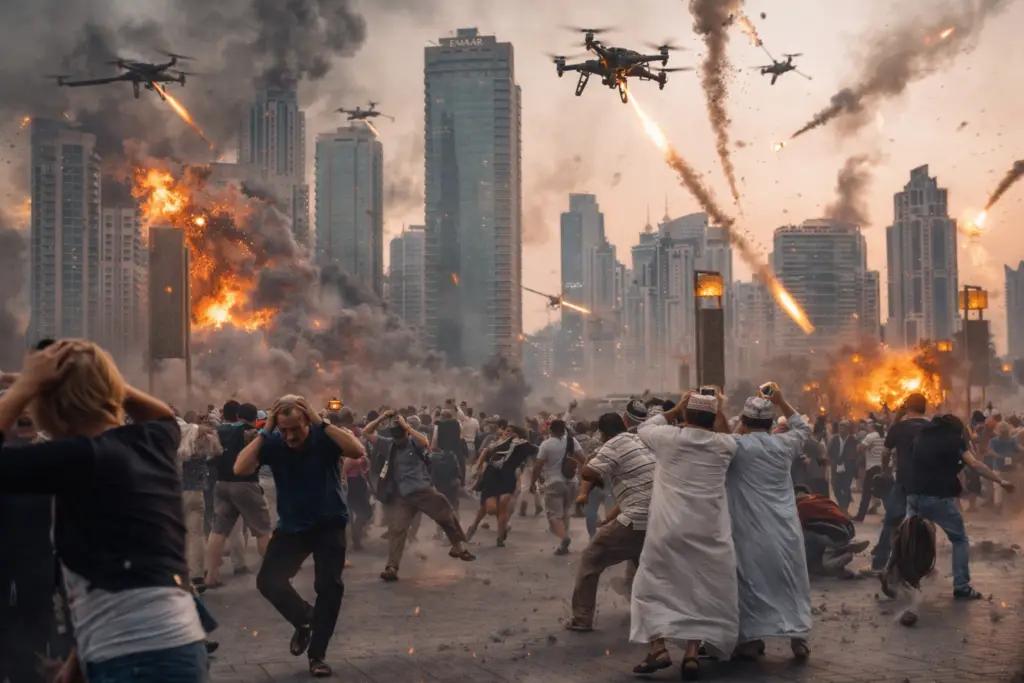
Every so often, a headline pops up that makes the world feel smaller. A notification flashes on your phone about security concerns in the Middle East, and suddenly friends are texting, investors are asking questions, and travelers are rethinking plans. Dubai often finds itself caught in this ripple effect, even when events are unfolding hundreds or thousands of kilometers away.
For many people, Dubai represents opportunity, luxury travel, and a fast growing real estate market. So when news mentions “attacks affecting the region,” uncertainty spreads quickly. Is it safe to visit, safe to invest, safe to plan for the future?
The reality, as always, is more complex than the headlines. To understand what is happening and what it truly means, we need to slow down, zoom out, and look at the bigger picture.
What Exactly Happened
Recent news reports have highlighted security tensions and attacks in parts of the Middle East. These incidents are linked to broader geopolitical conflicts that have been simmering for years and occasionally escalate into visible events that dominate global media coverage.
Dubai itself has not been the center of these incidents. However, because the city sits within the Middle East and serves as a major international hub, any regional instability quickly becomes associated with it in public perception.
This is an important distinction. Modern conflicts often unfold across borders, alliances, and strategic interests. News headlines compress complicated regional developments into short phrases that can unintentionally blur geography and context. As a result, cities like Dubai can appear closer to the events than they actually are.
Understanding this difference between regional tension and local reality is the first step toward a balanced view.
Why the Situation Matters Globally
Dubai is not just a city. It is a global crossroads. Flights from Europe, Asia, Africa, and the Americas pass through its airports every hour. Businesses use it as a gateway to international markets. Investors see it as a bridge between East and West.
Because of this unique role, even distant geopolitical events can influence global perception of the city. When tensions rise anywhere in the region, international media coverage increases, insurance assessments shift, and financial markets react emotionally before they react logically.
This is not unique to Dubai. The same pattern happens when news breaks in Europe, the United States, or Asia. Global hubs always feel the ripple effect first because they are deeply connected to the world.
The key point here is perception versus reality. Markets and travelers respond quickly to perception. Real world changes tend to move much slower.
Impact on Tourism and Real Estate
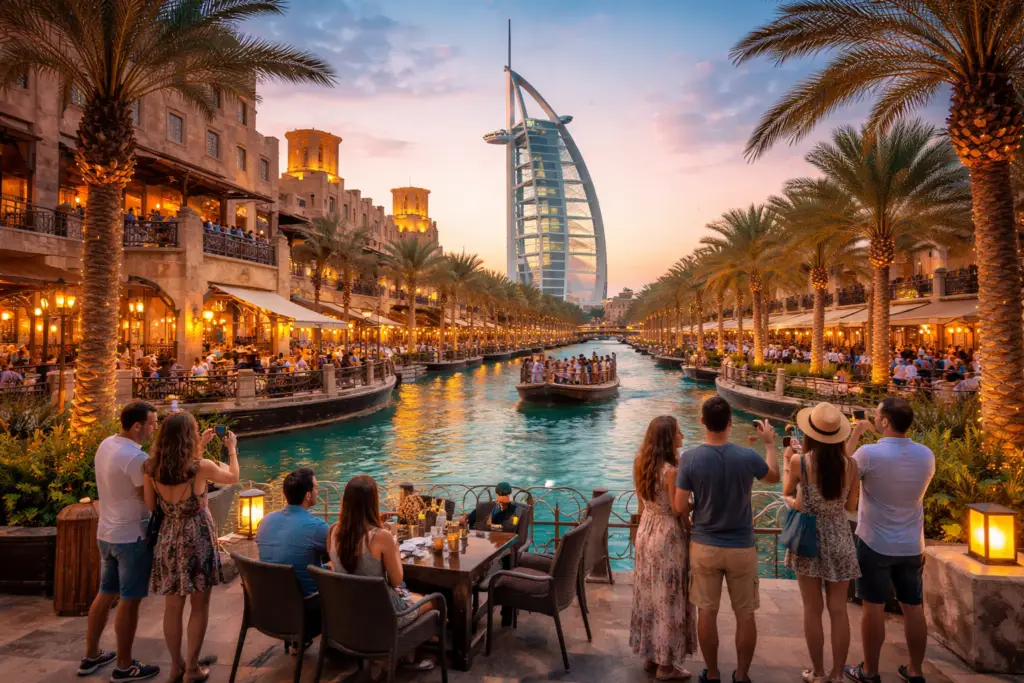
Tourism and real estate are often the first sectors people worry about during periods of uncertainty. These industries depend heavily on confidence. Travelers want reassurance. Investors want stability. Both groups watch global news closely.
Tourism
In the short term, news about regional tension can create hesitation. Some travelers postpone trips, others wait for clarity before booking. This is a normal human response. Travel decisions are emotional as much as they are practical.
However, Dubai has repeatedly demonstrated an ability to bounce back quickly. The city’s tourism infrastructure is built for resilience. Airlines adjust routes, hotels introduce flexible policies, and authorities communicate safety updates rapidly.
Historically, dips in tourism linked to global events tend to be temporary. Once media attention shifts, travel demand often rebounds faster than expected.
Real Estate
Real estate behaves differently. Property markets move more slowly and are shaped by long term confidence rather than short bursts of news.
Dubai’s real estate market is driven by international buyers, business migration, and tax friendly policies. These factors do not disappear overnight. Investors typically take a long view. They evaluate stability over years, not days.
Short term uncertainty may slow decision making, but it rarely changes the long term fundamentals that attract people to the city in the first place.
Investor Sentiment and Market Psychology
Markets are emotional. This is true whether you are talking about stocks, crypto, or property. When uncertainty rises, hesitation follows. When calm returns, confidence rebuilds.
Investor psychology often moves in three stages:
- Initial reaction, uncertainty and caution
- Information gathering, waiting for clarity
- Rational reassessment, long term decision making
Dubai has gone through this cycle many times. Global financial crises, pandemics, regional tensions, and economic shifts have all tested investor confidence. Each time, the pattern has been similar. Short term hesitation followed by gradual recovery.
For experienced investors, moments of uncertainty can even create opportunities. Prices stabilize, negotiations become easier, and long term value becomes clearer.
Dubai’s Resilience and Safety Track Record
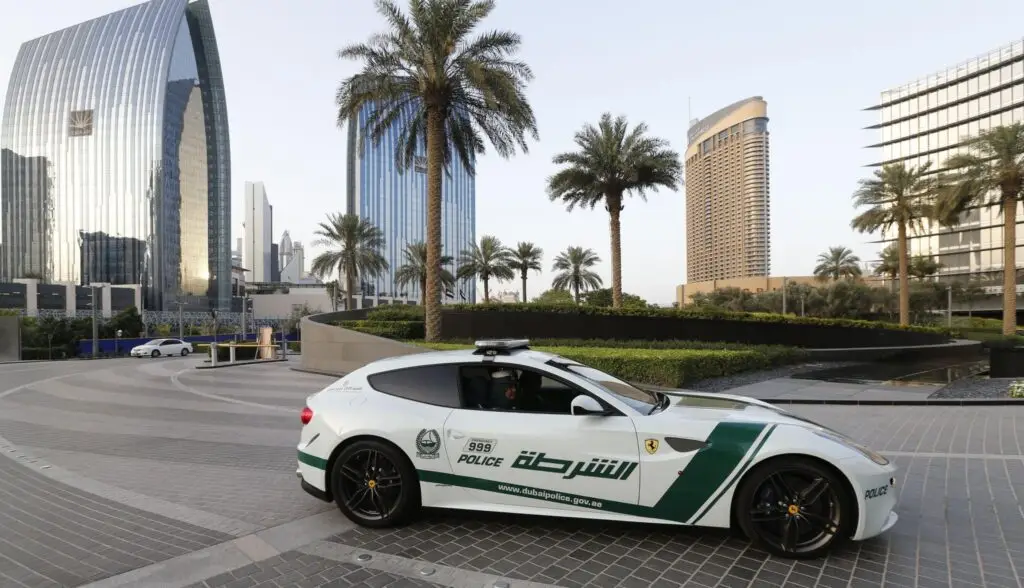
To understand why Dubai remains attractive despite regional tension, it helps to look at its track record.
Over the past two decades, the city has faced multiple global challenges. Financial crises, oil price swings, pandemic travel shutdowns, and shifting economic trends have all tested its resilience. Yet the city has consistently adapted and moved forward.
Several factors contribute to this resilience.
Strong infrastructure
Dubai invests heavily in transportation, security systems, and emergency preparedness. Its airports, roads, and communication networks rank among the most advanced in the world.
Diversified economy
The city is not dependent on a single industry. Tourism, logistics, finance, technology, and real estate all play major roles. This diversification helps absorb shocks.
Global talent and migration
Professionals and entrepreneurs from around the world continue to move to Dubai for business opportunities and lifestyle benefits. This steady inflow supports long term growth.
Proactive governance
Authorities in the UAE have built a reputation for quick decision making and clear communication during times of uncertainty.
These factors combine to create a sense of stability that goes beyond short term news cycles.
What Investors and Travelers Should Realistically Expect Next
So what happens now?
The most realistic outlook is a period of watchful calm. News coverage may continue for some time. Conversations will continue. Questions will continue. But day to day life in Dubai is expected to move forward as usual.
For travelers, this means staying informed through official channels, choosing flexible booking options, and remembering that global travel has always included an element of uncertainty.
For investors, this means focusing on fundamentals rather than headlines. Population growth, business activity, infrastructure development, and policy direction remain the key indicators of long term market health.
In many ways, this moment is a reminder of how interconnected the world has become. News travels instantly, reactions follow quickly, and clarity takes time to catch up.
Conclusion, Looking Beyond the Headlines
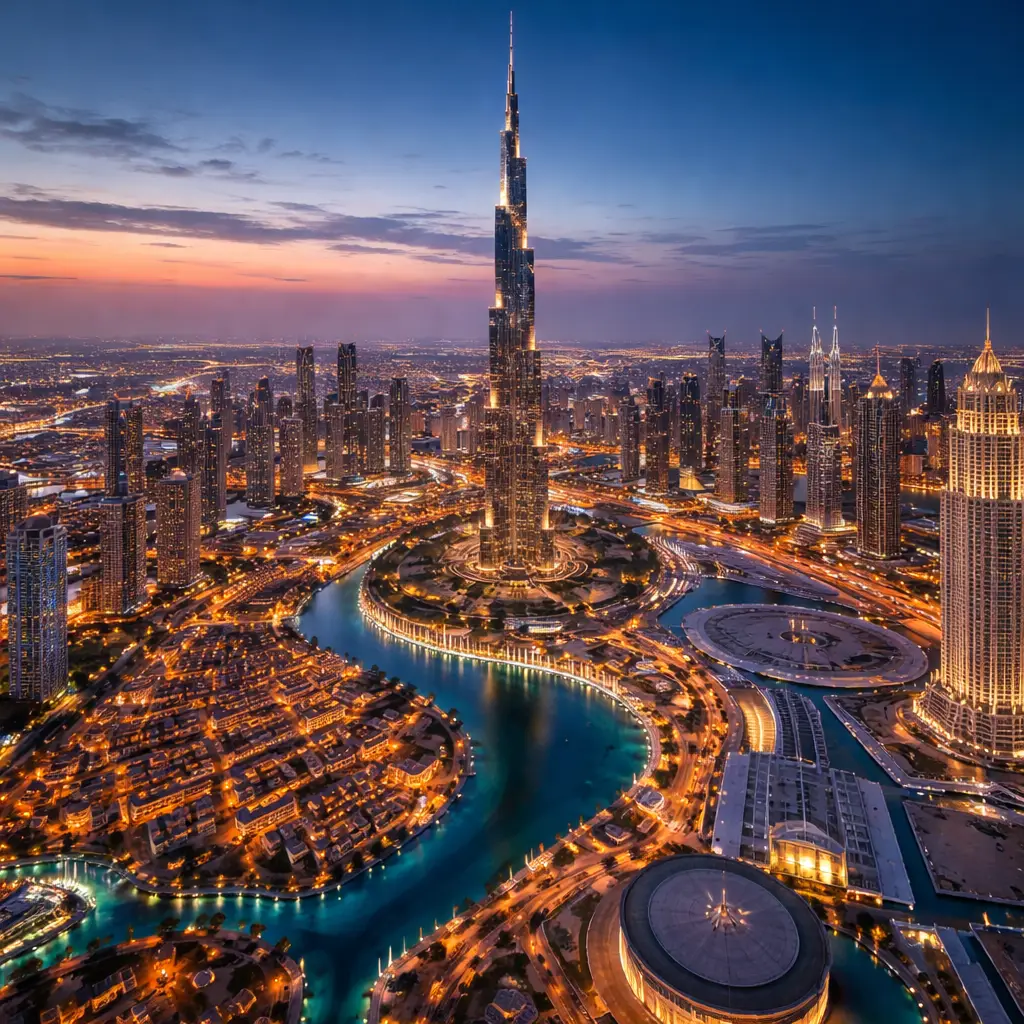
When headlines mention security concerns in the Middle East, it is natural to feel uneasy. Travel plans pause. Investment decisions slow. Conversations fill with questions.
But history shows that Dubai has a remarkable ability to steady itself when global uncertainty rises. Its role as a global hub, its diversified economy, and its long term planning continue to support confidence among travelers and investors alike.
The most important takeaway is this. Headlines capture moments. Cities are shaped by decades.
Dubai’s story has always been about growth, adaptation, and resilience. While regional tensions may influence perception in the short term, the long term outlook remains rooted in stability, connectivity, and global opportunity.
For readers, travelers, and investors, the best approach is simple. Stay informed, think long term, and remember that the full picture is always larger than the latest news aler
Pingback: Dubai Real Estate Slows: Gulf Investors & Qatar’s Stable Market